
Blog
Scenic Design for Corporate Events: How In-House Design and Build Sets a Production Apart
Posted By Tallen | June 17, 2026
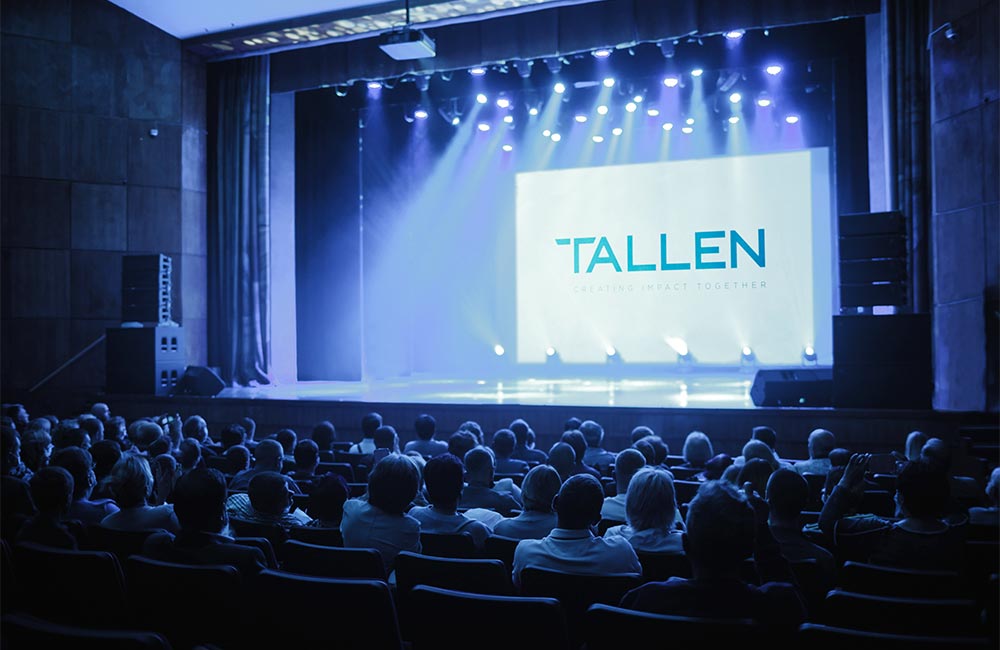
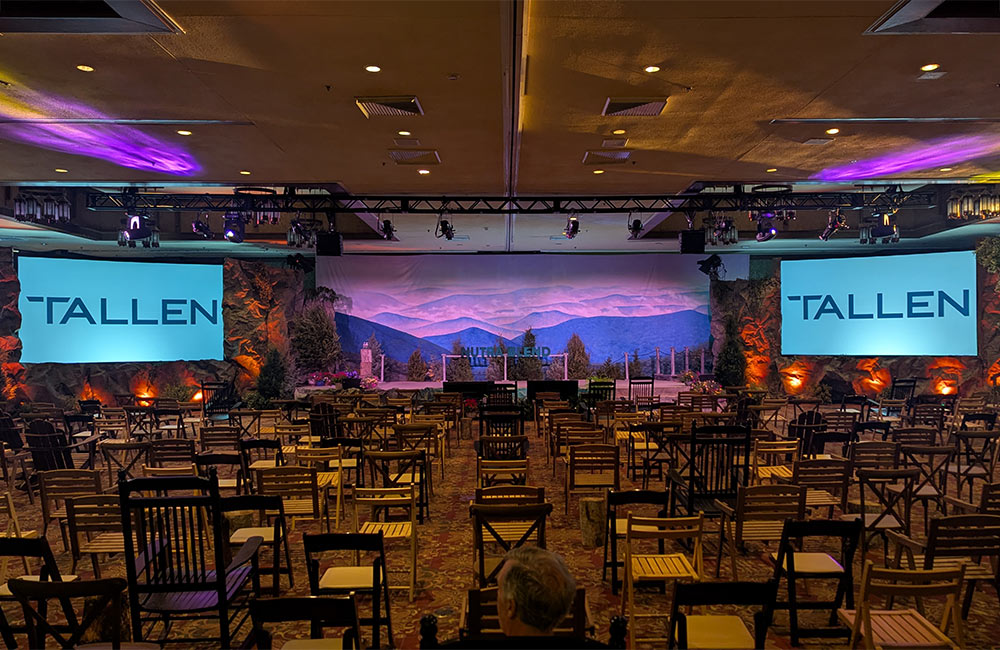
A great corporate event makes an impression before a single word is spoken. The stage, the structures, the visual environment—every detail signals something about the brand, the message, and the level of care behind the experience. Strong scenic design turns a venue into a destination and a presentation into a moment worth remembering. When event stage design, conference set design, and corporate set design all live under one roof with your production partner, the result is a more cohesive, more flexible, and more impactful program for every audience.
The Strategic Role of Scenic Design in Corporate Events
Audiences form impressions quickly, and scenic design shapes those impressions before anyone takes the stage. A well-designed set reinforces brand identity, supports the messaging arc, and creates an environment that helps speakers feel confident and audiences feel engaged. Many planners find that audiences engage more deeply when the visual environment reinforces the content being delivered. A thoughtfully designed stage creates emotional resonance that text and talking points alone can’t achieve. For corporate events, where every program carries strategic weight, the visual environment becomes a creative asset rather than a finishing touch.
How In-House Design Streamlines the Creative Process
When event stage design and production planning happen within the same team, communication moves faster, and ideas evolve more naturally. There’s no need to translate creative direction across multiple vendors or wait for separate teams to align timelines. Designers, technical directors, and production coordinators share the same conversations, the same files, and the same goals. The result is a smoother creative process where decisions move quickly, and design intent stays intact through every revision.
This integrated approach also keeps creative vision and technical execution moving together. When the team designing the set understands the rigging, power, and venue logistics, the event stage design accounts for those realities upfront, giving planners more flexibility to focus on storytelling rather than troubleshooting.
Why Unified Production Teams Elevate Conference Set Design
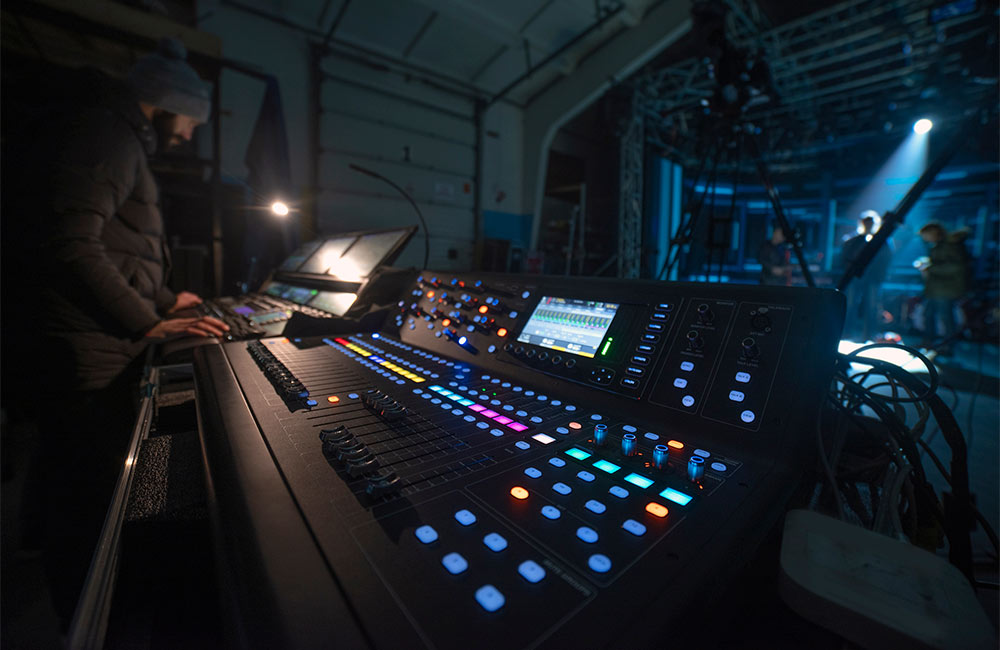
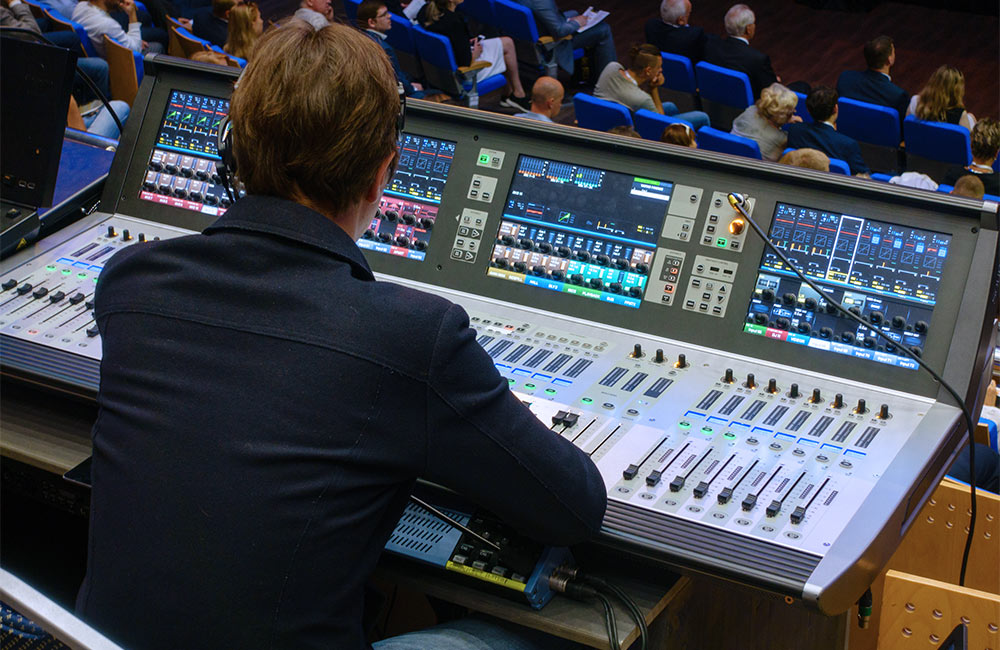
Conference set design works best when the entire technical environment is planned as one system. Lighting, LED, audio, scenic elements, and content all interact with each other in real time onsite. When one team owns the design and integration of these disciplines, every element supports the others. Lighting angles complement scenic shapes, LED placements align with sight lines, and audio coverage maps cleanly across the room layout. That cohesion comes naturally when conference set design and production live together within the same team.
A unified team also adapts more quickly when plans change. Speaker lineups shift, content evolves, and creative direction sometimes pivots during the final weeks before an event. An integrated production team can adjust scenic elements without disrupting the rest of the program because every discipline already understands how the pieces fit together.
Corporate Set Design That Aligns With Brand and Message
Every corporate set design choice carries brand implications. Color, materials, scale, and structure all influence how an audience perceives the company behind the event. An in-house creative team brings full immersion in the client’s goals, brand standards, and audience expectations, allowing every corporate set design decision to reinforce the broader strategic vision. Consistency matters here, too. When a company hosts multiple events throughout the year—sales kickoffs, executive summits, customer conferences — having a creative team that understands the brand inside and out ensures every set carries the same visual DNA, reinforcing recognition across every audience touchpoint. The result is a set that feels intentional, polished, and unmistakably aligned with the company hosting the program.
Client Testimony:
‘”From stunning lighting and creative set designs to flawless audio, every detail is handled with precision and flair. Our conferences are complex, involving intricate audio and video setups and a 3-day schedule with over 70 speakers. With Tallen, even our budget-conscious events have a high-end, polished look that rivals the best in the industry.’ —Tammy Scholtes
Bringing Design to Life Onsite
A beautifully rendered design is only as powerful as its onsite execution. Translating concept into physical build is where in-house design and build truly proves its value. When design and build live within the same organization, the team responsible for the creative event stage design is the same team installing it, programming the lighting around it, and timing the content reveals it was built to support.
This continuity creates a fully realized event environment, where every element reflects the same vision. Build crews already know what the design team intended. Lighting designers have collaborated with set designers throughout the process. Content teams have aligned their visuals with the physical structures supporting them. By show day, the entire production feels like a single, coherent experience instead of separate parts assembled in one room.
Choose a Partner Who Designs and Builds With Intention
Tallen’s full-service creative team handles design and build alongside every other production discipline. That single-partner model gives planners a streamlined process, a more cohesive creative outcome, and the kind of attention to detail audiences feel the moment they walk into the room. When the people designing your stage are also the people powering it, the result is an event that feels intentional in every direction. When the people designing your stage are also the people powering it, the result is an event that feels intentional in every direction. See how Tallen’s creative team brings scenic design to life, from concept through onsite execution.
5 AV Questions To Ask Before Booking Event Venues in San Diego, CA
Posted By Tallen | June 05, 2026
San Diego is one of the most sought-after event destinations on the West Coast, and with good reason. World-class event venues in San Diego, CA, like the Gaylord Pacific Resort & Convention Center, the San Diego Convention Center, the Manchester Grand Hyatt, and Town and Country Resort give planners an impressive range of options for conferences, trade shows, and executive meetings of every size. The coastal setting, reliable weather, and strong hospitality infrastructure make San Diego a natural choice for organizations that return year after year.
But before you sign a venue contract, a handful of AV-related questions can shape your budget, your production quality, and your flexibility on-site. Asking these five questions early prevents surprises and sets every San Diego event up for a seamless production experience.
1. Does the Venue Allow Outside AV Partners?
This is the single most important question to ask before signing anything. Many venues have exclusive or preferred relationships with in-house AV providers, and some contracts include language that limits your ability to bring in a third-party production partner. Understanding these policies upfront protects your ability to choose the team that best fits your event’s creative and technical needs. Generally, when venues say they have an exclusive, you have the flexibility to negotiate and bring in your own partner and bring them in at an early stage.
If a venue does allow outside AV, always ask about a policy / additional fees ahead of time. Some properties charge labor surcharges, power access fees, or equipment handling costs for external providers, all of which can be negotiated. Knowing these numbers early and/or receiving these concessions allows you and your production partner to build an accurate budget without hidden line items appearing later.
2. What Power and Rigging Infrastructure Is Available?
Event venues in San Diego, CA, vary significantly when it comes to electrical capacity and rigging support. A ballroom that works perfectly for a mid-sized meeting may lack the power distribution needed to run a large LED wall, full lighting rig, and robust audio system simultaneously. Asking about available circuits, dedicated power drops, and generator access during the booking process gives your production team the information they need to design within the venue’s capabilities. Room rentals should always come with basic infrastructure such as wall power, but some venues work language into their contract in an effort to charge for these services. Discussing this ahead of time allows you to structure the best contract when securing your event venue.
Rigging is equally important. Some San Diego venues offer strong overhead rigging points that support heavy truss and lighting configurations, while others have weight restrictions that require ground-supported alternatives. Engaging your production partner early in the venue selection process helps you confirm that the space has the infrastructure to support your event’s technical vision and prevents costly design changes.
3. What Are the Venue’s Technical Specifications and Limitations?
Every venue has quirks that affect production. Ceiling heights determine screen and scenic sizing. Column placements impact sight lines and camera positions. Loading dock access and freight elevator dimensions influence how quickly and efficiently equipment moves into the space.
Ask or connect with your AV partner before choosing your event space, and share any diagrams or technical specification packets with your AV partner as early as possible. A production team with experience inside that specific venue can immediately flag potential challenges and recommend solutions, turning technical limitations into design opportunities instead of show-day obstacles.
4. How Does the Venue Handle Internet and Connectivity?
Reliable connectivity is essential for live polling, hybrid streaming, audience engagement platforms, and basic presentation playback. Venue-provided Wi-Fi often serves guest rooms and public areas first, which can leave event bandwidth stretched thin during peak sessions.
Ask about dedicated hard-line internet options, available bandwidth for your event spaces, and any associated costs. Your production partner can then plan signal flow and streaming infrastructure around confirmed connectivity rather than best-case assumptions.
5. Can AV Requirements Be Written Into the Venue Contract?
Contract language matters. Building AV-specific terms into your venue agreement protects your event long after the booking is confirmed. Key items to address include outside AV access, guaranteed power availability, rigging access and costs, and dedicated internet bandwidth.
Working with your production partner during contract review ensures that technical needs are addressed alongside catering minimums and room blocks. This collaborative approach prevents misalignment between what the venue provides and what your event actually requires.
Booking With Confidence Across San Diego
Asking the right AV questions early turns venue selection into a well-informed decision. When planners and production teams align before the contract is signed, planning runs smoother, and budgets go further.
Tallen brings deep experience producing events across San Diego’s top venues, hotels, and convention centers. Our team helps planners navigate these exact questions and build production plans grounded in real venue knowledge. Let’s start planning your next San Diego event together.
Event Planning Done Right: Insights With GoGather
Posted By Tallen | May 19, 2026
Great events are built on great partnerships. Tallen has long believed that the strongest results come when production teams, planners, and event management companies work together as one unit. That collaborative philosophy is why we value our relationship with companies like GoGather, a leader in event planning and management, which shares our commitment to delivering seamless, high-impact experiences.
We recently sat down with a couple of GoGather’s Project Managers, Shannon Fouts and Sierra Gillis, to talk about what planners really look for in a production and AV partner, how early collaboration shapes better outcomes, and which attendee experiences leave a lasting impression. Here’s what we found.
Shannon Fouts and Sierra Gillis
Our Interview With the GoGather Team
Tallen: What do planners look for first when evaluating a production or AV partner? What qualities or behaviors stand out immediately?
GoGather: A collaborative mindset stands out right away. Planners want a partner who can take the big-picture vision and run with it, especially in areas where AV expertise is needed. Clients often don’t fully understand AV, so having a partner who can bridge that gap and guide decisions is a huge advantage. Strong communication is also key. Quick responses, asking thoughtful questions, and really trying to understand the event, the audience, and the goals all make a difference. It also helps when AV teams can share real examples of past work, especially if they’ve worked in the same venue. Being able to clearly explain what makes them different goes a long way.
Tallen: What common challenges do planners face when production integration doesn’t happen early enough?
GoGather: Timelines get tight fast. Everything starts to feel rushed, and there’s less room to think through what’s actually needed. Budgets also take a hit. When decisions are made late, there’s less flexibility to be strategic or creative, and costs can go up since you’re not sourcing the most efficient options. There are also more logistical challenges, especially when coordinating between an external AV partner and the venue. That alignment is much smoother when it starts early.
Related: Production is moving beyond big LED walls for the sake of it. Learn how the best events combine visual impact with emotional resonance.
Tallen: How do you evaluate whether a production partner will truly invest in the success of the event?
GoGather: You can tell when they take initiative. A strong partner will offer recommendations, flag potential issues early, and explain why something may or may not work. They don’t just say yes, they guide you toward better solutions. Being solutions-oriented is another big indicator. Bringing ideas to the table, offering creative options, and even finding ways to add value within budget all show they care about the outcome. It also shows when they’re willing to be involved early. Joining pre-production calls, sharing visuals, and helping shape the experience upfront make a big difference.
Tallen: In what ways can an AV partner help planners improve attendee engagement beyond traditional staging and screens?
GoGather: A great partner will build on your ideas and help bring them to life in more engaging ways. That could mean integrating entertainment elements like a flash mob or helping turn a concept into a fully produced moment. They can also introduce interactive elements like gamification. For example, creating a live game show experience on stage that gets the audience involved and keeps energy high. Even simple things like strong graphics, lighting transitions, and sound design can shift the experience from a basic presentation to something that feels polished and exciting.
Related: Looking for what’s best in A/V? Here’s what’s shaping event production, technology, and attendee engagement in 2026, straight from Tamesis Batiste, Project Director of Enterprise Events, and Victor Johnson, Production Designer.
Tallen: What are the most overlooked aspects of production that planners wish they understood earlier?
GoGather: The run of show is a big one. Taking the time to really build and review it with both the client and production team ensures alignment. Timing buffers are also important. Speakers run long, and having built-in flexibility helps everything flow more smoothly. Ongoing communication during the event is another piece. Staying in sync with production and the venue keeps everyone aligned as the program evolves.
Tallen: For event planning with tight timelines or budgets, what advice do you have for maximizing the value of their AV partner?
GoGather: Focus on doing more with less. You don’t need every effect to create impact. Thoughtful lighting and the right equipment choices can still create a strong experience without overextending the budget. Start early whenever possible. Early planning gives more flexibility with sourcing and pricing. It also helps to prioritize what matters most to your client. Whether it’s lighting, graphics, or audio, focus your investment there and build around it. Sourcing locally, especially for international programs, can help control costs. A strong AV partner can also help negotiate rentals and manage those relationships, which adds a lot of value.
About GoGather
GoGather is a boutique corporate events management company that specializes in high-end corporate conferences, incentive trips, roadshows, strategic meetings, and more unique experiences. For more information about GoGather’s corporate event management solutions, please contact the company at [email protected] or visit GoGather.com and follow them on LinkedIn, Facebook , and Instagram.
Prioritize What Matters Most For Your Event Planning
Prioritizing what matters most to your client is key to event planning. If lighting will define the room, invest there first and build everything else around it. If graphics are the centerpiece, allocate accordingly.
Tallen’s approach to every event reflects these same principles: early collaboration, proactive problem-solving, and a relentless focus on the client’s goals. If you’re looking for a production partner who operates as an extension of your team, let’s start a conversation.
AI-Powered Event Planning: What It Really Means for Modern Production Teams
Posted By Tallen | May 07, 2026
The buzz around artificial intelligence has reached every corner of the events industry. Planners hear word about tools that write agendas, generate stage designs, and predict audience behavior before a single attendee walks through the door. Some of this scuttlebutt holds real weight, and the most exciting ones are already making production teams sharper, faster, and more creative. Understanding what AI-powered event planning actually looks like on a production floor matters because the teams embracing it wisely are delivering stronger experiences and getting better results for their clients.
Where AI Is Already Making a Difference
AI tools are showing up in practical, measurable ways across live event production.
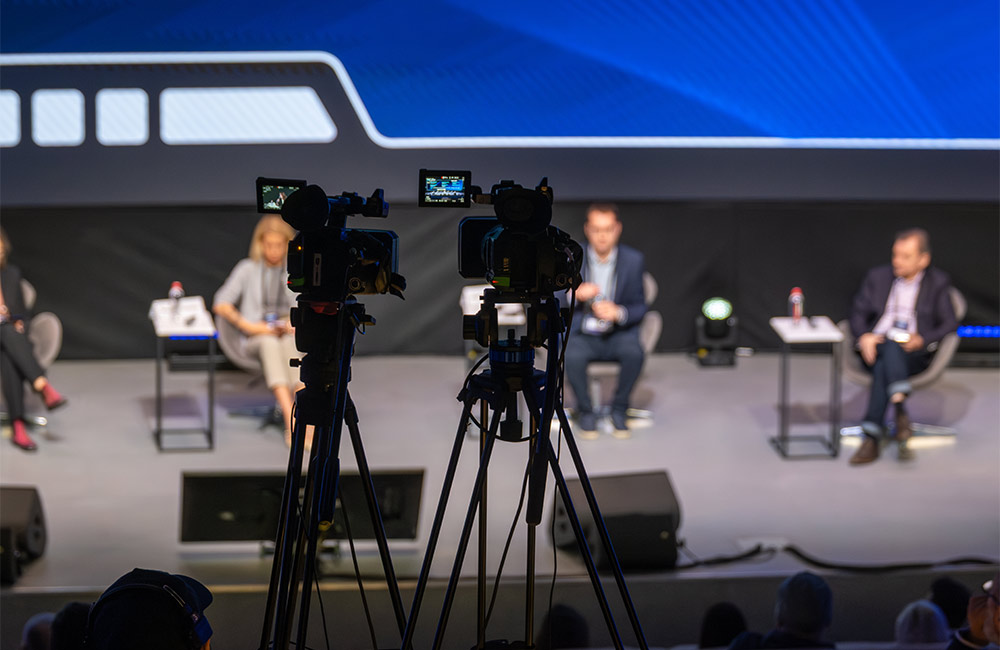
Camera automation software can now track a speaker’s movement across a stage, adjust framing in real time, and deliver broadcast-quality footage without a dedicated operator behind every lens. Tallen is proud to partner with Slideslive and utilize this technology to bring AI automated capture and recording to our clientele.
Content optimization platforms analyze presentation decks and suggest visual improvements that keep audiences engaged. Post-event analytics engines process attendee behavior data and surface insights within moments compared to weeks of manual review.
Show flow management is another area gaining traction. AI-assisted platforms help production teams build tighter run-of-show documents by flagging timing conflicts, identifying gaps between sessions, and recommending transitions based on historical performance data. These tools don’t replace a skilled technical director, but they give that director a sharper starting point and fewer blind spots heading into rehearsal.
How AI-Powered Event Planning Supports Production Teams
The real value of AI-powered event planning lives in the details that audiences never see. A camera that automatically locks onto an active panelist during a discussion means one less operator needed per breakout room. A system that records every session with built-in backups and delivers a polished cut afterward removes hours of post-production labor. These efficiencies add up quickly across a multi-day conference with 20 or 30 concurrent sessions.
Production teams benefit because AI handles the repetitive, high-volume tasks that drain focus during long show days. When a technician can monitor multiple rooms instead of being locked into one, the team operates leaner without sacrificing quality. Planners benefit because their budgets stretch further and their content capture improves across every stage and breakout space.
Tallen’s Approach: AI Robotic Camera Technology
Tallen has researched in AI robotic camera technology designed specifically for live event environments. The system is built around a compact, travel-ready kit that fits in a single case under 50 pounds, pairing a Canon PTZ camera for close-ups with a dedicated wide shot to capture full-stage coverage. A hardware hub powers the setup, running software that tracks speakers, frames them automatically, and records everything with ISO recorders and backup files.
The result is a ready-to-use cut that captures every moment without requiring a full camera crew in each room. For multi-speaker panels, the system identifies and follows the active speaker, keeping close-up framing tight and professional. Organizations running large-scale conferences with parallel sessions get the same polished look in every room.
Why Human Expertise Still Drives Every Event
AI handles patterns well. It tracks motion, processes data, and follows programmed logic with impressive speed. What it cannot do is read a room the way an experienced producer does. It cannot sense when an executive’s energy shifts during a rehearsal and adjust the creative direction on the fly. It cannot build trust with a nervous first-time presenter or make the split-second call to extend a Q&A session because the audience engagement is electric.
Tallen’s philosophy centers on using AI as a tool that amplifies human capability, not a replacement for it. Every piece of technology deployed onsite has an experienced technician behind it who understands both the equipment and the event’s unique goals. That combination of smart automation and seasoned expertise is what delivers consistently excellent production, event after event.
Choosing a Partner Who Gets the Balance Right
Adopting new technology without a clear strategy creates chaos. Adopting it with experienced hands guiding the integration creates a competitive advantage. The best production partners invest in AI where it truly enhances outcomes, equipping their skilled teams with tools that complement their instinct and adaptability to deliver exceptional events.
Tallen brings this balanced approach to every engagement, pairing cutting-edge tools with the deep production expertise that has defined the company since 2002. The goal is simple: better events, smarter workflows, and a production partner you can trust to deliver on both. Get started with Tallen today.
Why Nationwide Expertise Matters: Onsite Event Technology Solutions That Travel Everywhere Your Events Go
Posted By Tallen | April 16, 2026
Every venue has a personality. The ballroom with temperamental rigging points, the hotel conference center where Wi-Fi drops near the south wall, the convention hall that echoes unless you place speakers with surgical precision. Event planners learn these quirks through experience, and so do the production teams who show up week after week to make events shine. That hands-on familiarity is exactly what separates a good event technology partner from a great one, and it’s the reason nationwide expertise is a non-negotiable when choosing onsite event technology solutions.
The Advantage of Knowing Every Room
Repetition builds mastery. When a production team works regularly inside the same venues across the country, they develop a mental blueprint that no site visit can replicate. They know which loading docks are tight, which ballrooms need extra lighting for low ceilings, and which audio configurations perform best in oddly shaped breakout rooms.
This kind of deep local knowledge translates directly into smoother load-ins, faster setups, and fewer surprises on show day. Planners benefit because their production partner has already solved problems that a first-time crew would still be diagnosing. The result is a calmer experience for everyone involved and a polished final product that reflects well on the brand behind the event.
Consistency Across Every City and Every Stage
One of the biggest challenges for organizations running events across multiple markets is maintaining quality. A general session in Chicago should feel as seamless as a product launch in San Francisco or a leadership summit in Miami. Audiences notice inconsistencies, and so do stakeholders who expect the same standard regardless of geography.
Onsite event technology solutions built on a nationwide footprint solve this challenge. A team that operates coast to coast brings standardized processes, proven equipment packages, and experienced technicians who understand how to deliver a unified experience. Instead of scrambling to vet local vendors, every market gets the same vetted team, the same proven process, and the same standard of excellence.
How Deep Local Knowledge Reduces Risk
Risk management may not be glamorous, but it is foundational to every successful event. Technical failures, last-minute venue changes, and weather disruptions can derail even the best-laid plans. A production partner with nationwide reach has likely encountered every scenario imaginable and built contingency playbooks to match.
Teams embedded in major markets also maintain strong relationships with venue staff, and local labor crews. Those relationships accelerate problem-solving when timelines shift or unexpected needs arise. Experienced producers coordinate solutions with people they already trust, cutting response time when it matters most.
Onsite Event Technology Solutions Built for Scale
Growing organizations need a production partner who can scale alongside them. A single annual conference may evolve into a regional roadshow, a series of executive dinners, or a multi-city training program. Each format carries unique technical requirements, and each city introduces new variables.
A team with genuine nationwide expertise adapts to these shifts with confidence. They understand how intimate restaurant settings differ acoustically and logistically, how arena-style general sessions demand different rigging and LED configurations, and how hybrid components need reliable connectivity that varies by venue. That adaptability keeps production quality high while giving planners the freedom to expand their event portfolios without starting over with a new partner each time.
Why This Matters for Your Next Event
Choosing a production partner with coast-to-coast capability is an investment in peace of mind. It means trusting that the team behind your stage has done this before, in this city, possibly in this exact room. It means knowing that your brand will look and sound its best regardless of zip code. And it means spending less time worrying about logistics and more time focusing on the content, connections, and conversations that make events worth attending.
Tallen brings this level of nationwide expertise to every engagement. With teams operating daily across top U.S. venues, hotels, and restaurants, Tallen delivers onsite event technology solutions grounded in real experience and refined through thousands of productions. That depth of knowledge powers every setup, every show, and every partnership.
Rebuilding Real Connection: Why In-Person Event Production Is Back and Thriving
Posted By Tallen | March 12, 2026
Live events have surged back with remarkable energy, creating an atmosphere that feels equal parts reunion and revival. Planners, attendees, speakers, and partners alike are leaning into the joy of gathering again, and the industry is experiencing a level of momentum that many would have considered impossible a few years ago. Ballrooms are buzzing, general sessions are packed, scenic builds are growing bolder, and creativity is flowing with a level of confidence that signals something exciting: in-person event production has made a comeback in 2026—and it’s thriving.
Why In-Person Event Production Is Fueling a New Era of Connection
A room built with intention carries a certain kind of magic. Lighting cues shift, scenic elements frame the story, music sets the tone, and presenters feel the energy of a real audience leaning in. These touches elevate even the simplest program into something memorable. That emotional lift is powerful; it encourages engagement and helps attendees absorb ideas with ease. Brands have rediscovered the value of presence. Being together opens space for nuance, shared excitement, and the kinds of conversations that shape trust. Bold visuals and coordinated production create momentum that echoes long after the final session closes.
Hybrid Strength Still Matters, and It’s Thriving Too
Even with the resurgence of live experiences, virtual engagement remains a vital advantage for organizations of every size. Virtual channels create access for attendees who cannot travel and help companies widen their reach without sacrificing quality. Hybrid formats also support layered participation, giving individuals the freedom to join sessions live, revisit content later, or opt into digital-only programming aligned with their schedules.
Virtual tools enhance longevity. A brilliant keynote becomes an asset library. Panel discussions transform into searchable clips. Training moments evolve into on-demand sessions that support learning beyond event week. Virtual production has also matured significantly. Smooth speaker coaching, interactive Q&A elements, moderated chat, layered graphics, and reliable streaming workflows have raised expectations for what a digital experience can deliver.
High-quality virtual support strengthens in-person gatherings rather than competing with them. When these pieces work together, organizations unlock a wider spectrum of engagement that supports both reach and impact.
A New Rhythm: Bringing In-Person and Virtual Together
The strongest event strategies today blend live and virtual touchpoints into an intentional arc. In-person experiences land the emotional impact, while virtual channels extend visibility and accessibility. When smart production principles guide both, the result is an engagement ecosystem that feels cohesive, modern, and audience-centered.
This blended approach requires careful coordination. The goal is simple: create a seamless experience for every attendee, no matter their access point. Skilled producers know how to anticipate needs, design flexible solutions, and make choices that protect both the onsite atmosphere and the digital output. That balance is an art form, and the industry has become exceptionally good at it.
Why In-Person Events Inspire Something Real
People are celebrating the return of purpose-built environments. They’re excited to connect without a mute button. They’re eager to experience storytelling that feels live, textured, and immersive. And planners are rediscovering how powerful it can be to watch an idea land with an entire room at once.
These moments matter. They build culture and strengthen networks while helping teams rally around new goals. And they deliver something audiences have been craving: genuine connection. Virtual tools still shine by lifting reach, supporting flexibility, and extending content value. Together, these two worlds create a complete, modern strategy capable of meeting audiences exactly where they are.
Rebuilding Real Connection in a Thriving Industry
Excitement is rippling through every corner of the event landscape. Virtual engagement continues to grow alongside it, stronger, smarter, and more strategic than ever. This combination gives brands the ability to connect deeply in the room while expanding visibility across audiences near and far. Tallen supports both sides of this momentum by designing production environments that elevate human connection and strengthen digital engagement.
We have been working with Tallen for many years, and they are absolutely incredible. Their service and attention to detail have made our events run so smoothly. Chuck is amazing and truly is the backbone of every event we do. Couldn’t do it without him and the team! Can’t recommend Tallen enough.